
Intermittent Fasting for Your Best Metabolic Advantage
Beyond the “Three Square Meals” Myth
For generations, the notion of three-square meals a day, often with snacks in between, has been ingrained in our eating habits. Yet, from an evolutionary and biological perspective, constant caloric intake is a relatively modern phenomenon. Our ancestors regularly experienced periods of feast and famine, periods where their bodies became highly adept at tapping into stored energy reserves. In essence, they practiced intermittent fasting out of necessity. Today, in an age of abundant food, many of us have lost this metabolic flexibility, leading to a host of health challenges, including persistent weight gain and compromised metabolic health.
At Weight Mindset, we view intermittent fasting (IF) not as a diet, but as a powerful protocol for metabolic re-engineering. It’s about strategically manipulating when you eat to optimize your body’s internal systems, making it more efficient at burning fat, enhancing cellular repair, and stabilizing energy levels. This isn’t about deprivation; it’s about intelligent allocation of your body’s energy resources.
The “Why” Behind the Fast: Autophagy and Cellular Repair
The primary mechanism that sets intermittent fasting apart from simple calorie restriction is autophagy. Derived from Greek words meaning “self-eating,” autophagy is a crucial cellular process where your body cleans out damaged cells, recycles dysfunctional components, and regenerates newer, healthier cells. Think of it as your body’s innate cellular detoxification and maintenance program.
When you are constantly eating, your body is primarily focused on digestion and nutrient absorption. However, during a fasted state, particularly after 12-16 hours, your body shifts its focus. With no incoming fuel, insulin levels drop, triggering autophagy. This cellular clean-up crew gets to work, enhancing longevity, improving cellular function, and even contributing to disease prevention. For weight management, this means not just shedding fat but upgrading the very machinery within your cells.
Types of Intermittent Fasting: Choosing Your Protocol
There isn’t a single “right” way to fast. The best protocol is the one you can consistently integrate into your lifestyle.
- The 16/8 Method (Time-Restricted Eating): This is the most popular and often easiest to sustain. You fast for 16 hours and have an 8-hour eating window. For example, if you finish dinner at 7 PM, you wouldn’t eat again until 11 AM the next day. This simply involves skipping breakfast.+1
- The 5:2 Method: This involves eating normally for five days of the week and restricting calories to 500-600 for two non-consecutive days.
- Eat-Stop-Eat (24-Hour Fast): This involves a full 24-hour fast once or twice a week, from dinner to dinner.
- OMAD (One Meal A Day): An advanced form of time-restricted eating where you consume all your daily calories within a very narrow window (e.g., 1 hour).
For most individuals starting out, the 16/8 method offers a practical entry point to experience the benefits without excessive discomfort.
The Metabolic Advantages
While often lauded for its weight loss benefits, intermittent fasting offers a broader spectrum of metabolic advantages:
- Enhanced Fat Burning: With lower insulin levels during the fast, your body is forced to tap into stored fat for energy. This is the essence of metabolic flexibility.
- Improved Insulin Sensitivity: Regular fasting periods can help reset your body’s response to insulin, reducing the risk of insulin resistance and type 2 diabetes.
- Stabilized Blood Sugar: By reducing the frequency of glucose spikes, IF contributes to more stable energy levels throughout the day, eliminating those frustrating crashes.
- Increased Growth Hormone: Fasting can lead to a significant increase in human growth hormone (HGH), which supports muscle maintenance and fat metabolism.
- Reduced Inflammation: Autophagy and other cellular processes triggered by fasting can help reduce systemic inflammation, a driver of many chronic diseases.
- Cognitive Clarity: Many fasters report improved focus and mental clarity, possibly due to increased brain-derived neurotrophic factor (BDNF).
Practical Considerations
Implementing intermittent fasting effectively requires a strategic approach:
- Hydration is Key: During your fasting window, prioritize water, black coffee, and plain tea. These beverages won’t break your fast and are crucial for cellular function.
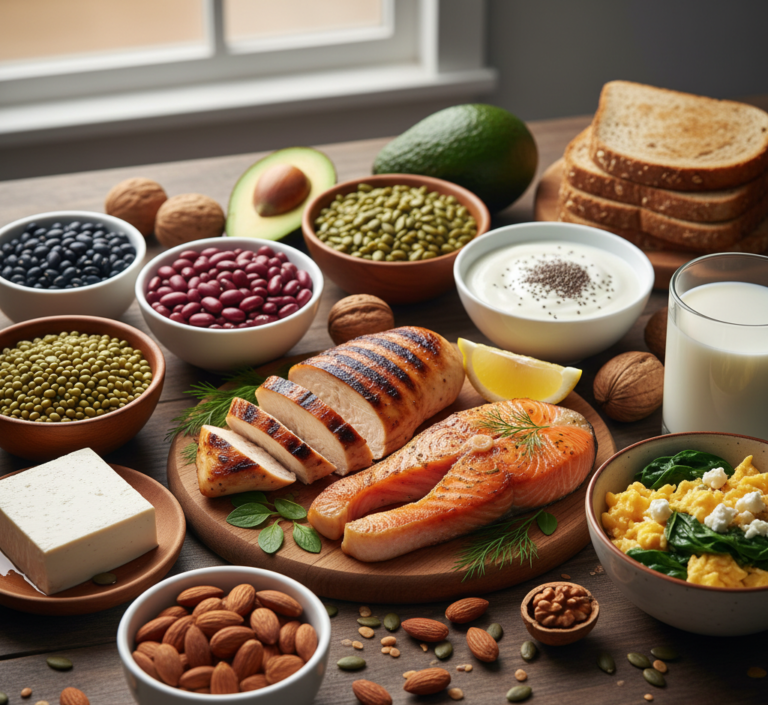
- Nutrient-Dense Eating: When you do eat, focus on whole, unprocessed foods. Lean proteins, healthy fats, and fiber-rich vegetables will maximize satiety and provide essential nutrients to support your body’s repair processes.
- Listen to Your Body: While some hunger is normal and expected, extreme dizziness or fatigue might indicate you need to adjust your fasting window or seek professional advice.
- Consistency Over Perfection: Don’t stress if you miss a fasting day. The goal is long-term metabolic improvement, not rigid adherence every single day.
- Exercise Timing: Many find success exercising in a fasted state, as it may further enhance fat burning. However, listen to your energy levels.
Mastering Your Eating Rhythm
Intermittent fasting is more than just another dietary trend; it’s a powerful tool to recalibrate your body’s ancient metabolic machinery. By strategically creating periods without food, you unlock a cascade of biological benefits, from enhanced fat burning and improved insulin sensitivity to cellular repair and increased energy. It’s about becoming the conscious operator of your own biology, mastering your eating rhythm, and leveraging these natural processes to build a stronger, healthier, and more metabolically flexible you.
*Consult a physician before starting any new dietary protocol.