4 Best Strategies to Manage Snack Anxiety
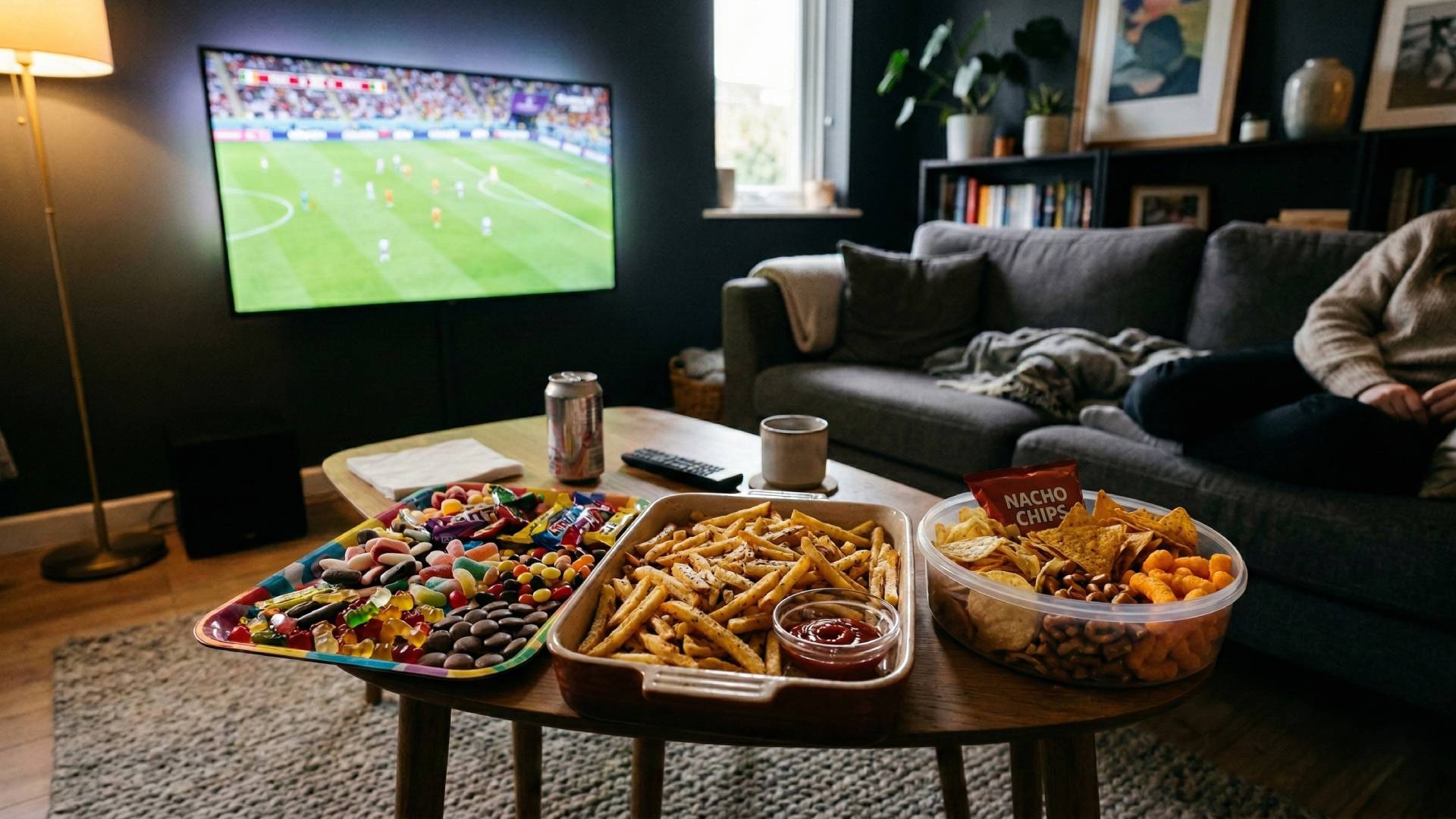
In the modern nutritional landscape, snacking has evolved from an occasional bridge between meals into a continuous physiological cycle. For many following the Weight Mindset protocol, the struggle isn’t with the main course, but with the compulsive “need” to reach for highly processed, hyper-palatable snacks. This behavior is rarely about true biological hunger; it is an engineered addiction to the dopamine spikes provided by sugar, salt, and fat. You can adopt these 4 strategies to manage snack anxiety.
Why We Get Hooked
From a laboratory perspective, snack addiction is a chemical feedback loop. Food scientists specifically design products to hit a “bliss point”—the precise ratio of ingredients that triggers the maximum release of dopamine in the brain’s reward center.
When you consume these items, your brain receives a surge of pleasure that temporarily masks stress, boredom, or fatigue. However, the “crash” that follows leads to a craving for the next hit. Over time, your brain develops a tolerance, requiring larger or more frequent “inputs” to achieve the same emotional “output.” This is the definition of addiction: a loss of control over a substance despite knowing its negative consequences.
Physical vs. Emotional Hunger
The first step in managing snack addiction is a diagnostic one. You must learn to differentiate between a stomach-led need and a brain-led want.
- Physical Hunger: Develops slowly. It is felt in the stomach and can be satisfied by a variety of foods (e.g., a piece of grilled chicken or a bowl of greens).
- Snack Addiction (Craving): Hits suddenly and with urgency. It is felt in the “mind” or the mouth and is usually hyper-specific (e.g., I need those specific chips right now).
Operational Strategies for Management snack anxiety
1. The 10-Minute Cognitive Buffer
Anxiety often creates a sense of “false urgency.” When a craving hits, the brain enters a high-alert state that feels like it must be satisfied immediately.
- The Strategy: Implement a mandatory 10-minute pause. Tell yourself: “I can have the snack, but I must wait 10 minutes first.” * The Psychology: This shifts the brain from the impulsive amygdala (emotional center) to the prefrontal cortex (rational center). Usually, the peak of the anxiety-driven craving subsides within this window.
2. Sensory Substitution
Sometimes the “hunger” is actually a need for sensory stimulation or a break from a stressful task.
- The Strategy: If you feel the “need” to crunch, try a non-food sensory input. Ice-cold water, a high-intensity scent like peppermint oil, or even a 2-minute stretching routine can reset the nervous system.
- The Psychology: You are providing the brain with the “reset” it’s looking for without using calories as the currency.
3. Labeling the “Hidden Input”
In your health background, you know that every output has an input. Snack anxiety is often an output of a hidden emotional input: boredom, loneliness, or fatigue.
- The Strategy: Before reaching for the snack, ask one question: “What am I trying to solve with this food?” * The Psychology: By labeling the emotion (e.g., “I am actually just frustrated with this email”), you diminish the power of the craving. You are no longer “hungry”; you are “processing.”
4. The Volumetric Permission Slip
Anxiety thrives on “No.” When we tell ourselves we cannot have something, the brain fixates on it.
- The Strategy: Use the Weight Mindset approach to high-volume fillers. Have a “Safe List” of snacks (like cucumber slices with tajin or air-popped popcorn) that you have 100% permission to eat at any time.
- The Psychology: Removing the “Forbidden Fruit” effect lowers the cortisol associated with snacking. When you can have it, you often find you don’t actually need it.
The Psychological Reset
Breaking an addiction requires a shift in identity. Stop saying, “I am trying to quit snacks.” Instead, say, “I am a person who prioritizes high-quality fuel.” This simple linguistic shift changes the behavior from a “deprivation” (which causes anxiety) to a “selection” (which provides empowerment).
Reclaiming Your Metabolic Autonomy
Managing snack addiction is not about never eating a treat again; it is about reclaiming the “pilot’s seat” in your own biology. By understanding the chemical nature of the craving and using volumetric and protein-based tools to counteract it, you break the dopamine loop. In the Weight Mindset, we treat the body as a high-performance system—and high-performance systems don’t run on “junk.”






One Comment