You can change eating habits without relying on willpower by changing the routine around food instead of fighting each craving. Seven tools help: map your cue, action and reward; pause for 60 seconds; make if-then plans; savor the first five bites; keep balanced meals convenient; support sleep and stress; and test one tool for seven days.
You can understand nutrition perfectly and still find yourself reaching for food on autopilot. Knowledge matters, but it does not always interrupt a familiar routine in the moment. Episode 2 of Your Fat Brain explores how repeated experiences shape eating habits. Here is how to turn that idea into seven practical tools you can try in everyday life, without making food another source of pressure.
| Tool | What you do | Try it when |
|---|---|---|
| 1. Map your cue, action and reward | Note what happened before, what you did and how you felt | An eating moment surprises you |
| 2. A gentle 60-second pause | Breathe and ask: “Am I physically hungry?” | A craving arrives |
| 3. An if-then plan | Decide your response to a known trigger in advance | Stress or a tense moment is predictable |
| 4. The first five bites | Put your phone aside and notice your food | You sit down to a meal |
| 5. Convenient balanced meals | Keep a simple meal template and ready options | Your day is busy or unpredictable |
| 6. Sleep and stress | Track them alongside eating; pick one adjustment | Evenings feel exhausting or mornings rushed |
| 7. A seven-day experiment | Use one tool for a week, then review it | You want to know what actually works for you |
Tool 1: Map Your Cue, Action, and Reward
For three days, record just three details when an eating moment surprises you: what happened immediately before, what you did, and what you felt afterward. A note might read, “Long meeting; grabbed crackers; felt briefly calmer.”
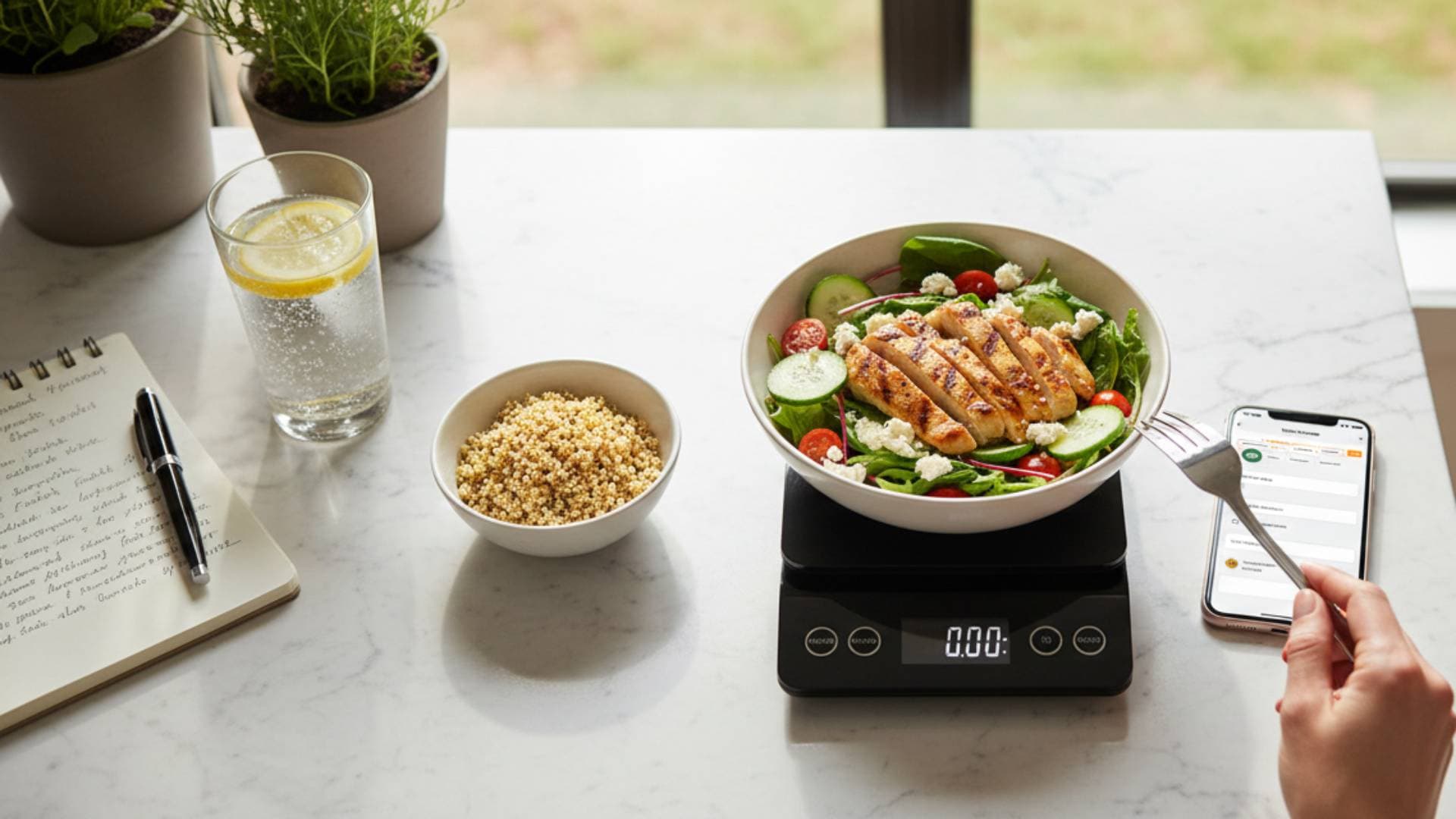
You are looking for patterns, not counting mistakes. To keep the exercise kind and manageable, avoid weighing portions or assigning scores to foods. A useful record says what happened without calling the choice good or bad. Your job is to observe the situation, not judge the person in it. Notice whether the cue is genuine hunger, a time of day, boredom, an emotion, or a convenient food within reach. Once you can name the pattern, you have more choices about what happens next. (Here's why your brain links feelings, places and food in the first place.)
Tool 2: Try a Gentle 60-Second Pause
When a craving arrives, pause long enough to check in. Put both feet on the floor, take a few comfortable breaths, and ask two questions: “Am I physically hungry?” and “Is something else asking for attention?”
If you are hungry, eat. If you need comfort as well, that is valid. The pause is not a rule to delay or deny food; it is space to choose with awareness instead of automatically following the first impulse. (See how to tell real hunger from a craving.)
Tool 3: Design an If–Then Plan
A vague goal such as “stop stress eating” leaves you without instructions when stress appears. Try a specific alternative: “If I finish a tense meeting and want a break, then I will step outside for two minutes before deciding what I need.”
Keep the plan realistic and flexible. A short walk, a glass of water, a message to a friend, or a satisfying snack can all be appropriate responses. Match the action to the need rather than treating every craving as an enemy.
Tool 4: Practice the First Five Bites
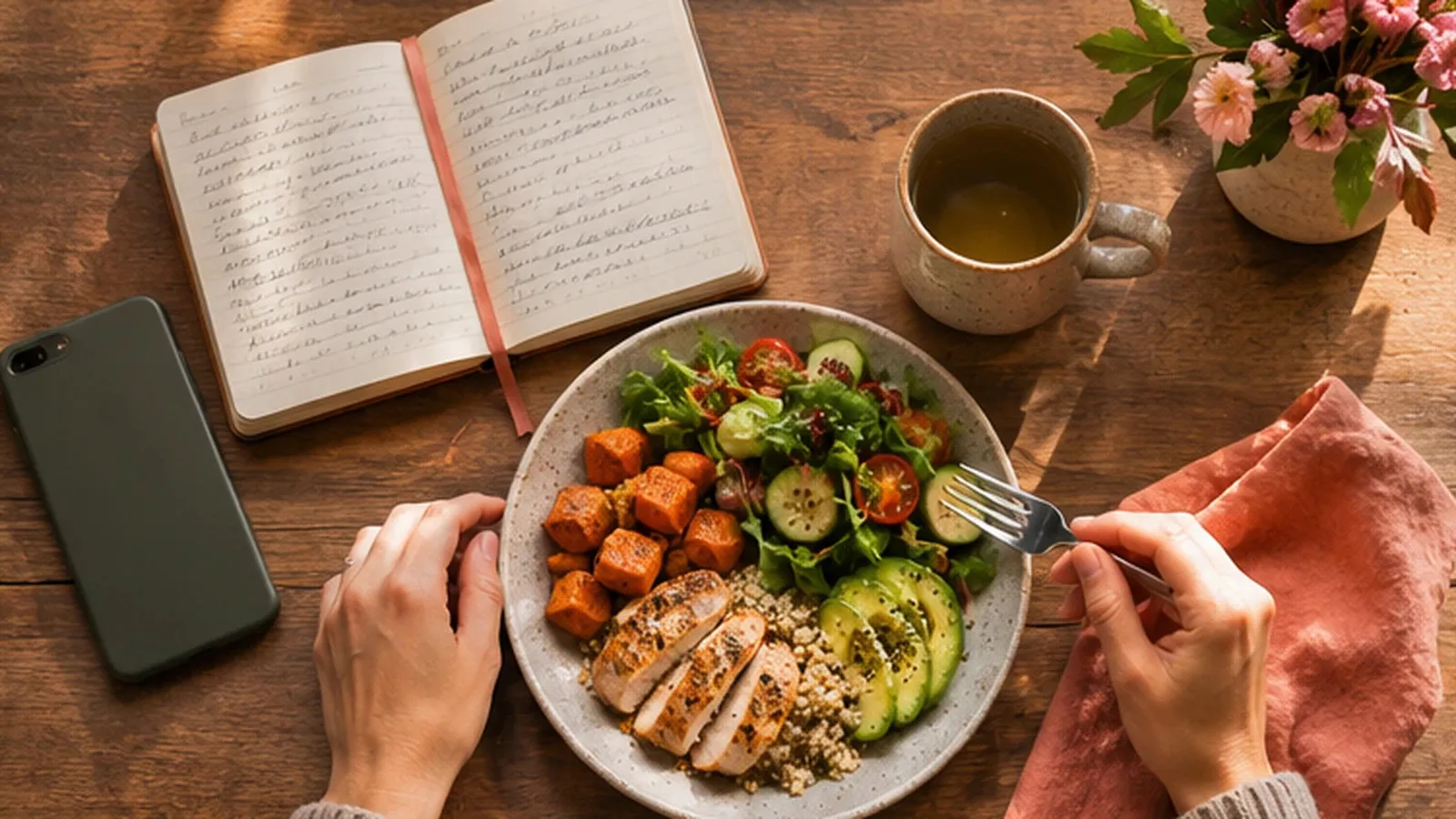
Set your phone aside for the beginning of one meal. Notice the color, aroma, texture, and flavor of your first five bites. Chew comfortably, and check whether the food is enjoyable and satisfying.
This is a mindfulness exercise, not a promise of weight loss. Research suggests mindful-eating approaches may modestly reduce food intake in controlled settings, while effects on appetite and long-term weight remain uncertain. Use it to reconnect with the experience of eating, not to police yourself.
Tool 5: Make Balanced Meals Convenient
The easiest food to choose is often the food already available. Assemble a simple meal template: vegetables or fruit, protein, a whole grain or other fiber-rich carbohydrate, and a flavorful fat. Keep a few flexible options ready, such as washed greens, canned beans, cooked rice, or yogurt.
This structure supports nourishment and satisfaction without labeling foods forbidden. If your day is unpredictable, a prepared snack can prevent the combination of intense hunger and rushed decisions. Convenience is a tool, not a shortcut to feel guilty about.
Tool 6: Give Sleep and Stress a Place in the Plan
Note your sleep and stress alongside your eating patterns for one week. Look for connections: perhaps late nights make mornings rushed, or skipped breaks leave evenings exhausting.
Choose one supportive adjustment. Establish a bedtime reminder, take a daylight walk, or protect a short screen-free break. These habits do not directly “reset” your hormones overnight, but they may make healthy routines easier to sustain and improve well-being independent of weight.
Try pairing a new behavior with something you already do. After brushing your teeth, set out tomorrow's breakfast supplies. After lunch, take a gentle walk if that feels good. A consistent cue can reduce the effort of remembering, and a small action gives you a repeatable starting point.
Tool 7: Run a Seven-Day Experiment
Pick only one tool and use it for seven days. Write down when it helped, when it did not, and what got in the way. At the end, ask: “Was this useful enough to keep?” If not, change the plan rather than blaming yourself.
For example, if a five-minute pause felt irritating when you were very hungry, your better solution may be an earlier lunch. If your food journal increased anxiety, stop recording and use a simpler reminder. The best tool is one that supports your life rather than taking it over.
When Extra Support Helps
Eating patterns are influenced by health conditions, medication, finances, culture, and access to food. No checklist can solve every barrier. If eating feels out of control, brings significant shame, or involves frequent restriction and binges, seek individualized guidance from a qualified clinician or registered dietitian.
The point of brain-based behavior change is not to become someone who never craves comfort food. It is to recognize cues, create options, and practice responses that serve you. Choose one small, doable, low-pressure experiment today. Let consistency grow from curiosity, not punishment.
Frequently asked questions
How do I stop eating on autopilot?
Start by noticing the pattern. For three days, record what happened right before a surprise eating moment, what you did and how you felt afterward. Once you can name the cue, you have more choices about what happens next.
What is an if-then plan for stress eating?
It is a specific response to a known trigger, such as: “If I finish a tense meeting and want a break, then I will step outside for two minutes before deciding what I need.” It gives you instructions when stress appears.
Does mindful eating help you lose weight?
It is not a promise of weight loss. Research suggests mindful-eating approaches may modestly reduce food intake in controlled settings, while effects on appetite and long-term weight remain uncertain.
Should I keep a food journal if it makes me anxious?
No. If your food journal increases anxiety, stop recording and use a simpler reminder. The best tool is one that supports your life rather than taking it over.