
Smart Product Spotlight: Meal Replacements and Protein Supplements
We live in a world that moves fast, and often, our nutrition is the first thing to pay the price. In the quest for a “Weight Mindset” that balances health with reality, it’s impossible to ignore the aisles of colorful powders, pre-mixed shakes, and “guilt-free” bars, including protein supplements. They promise convenience, high protein, and effortless weight management. But the question remains: are these tools helping you build a sustainable lifestyle, or are they just expensive bandaids for a deeper nutritional gap?
To truly master your weight mindset, you must view these products through a health-first lens. They are not magic; they are tools. And like any tool, their effectiveness depends entirely on how and when you use them.
Incorporating protein supplements into your diet can be beneficial, but it’s essential to choose wisely and understand their role in your overall nutrition.
The Role of Meal Replacements: Convenience vs. Nutrition
The Benefits of Protein Supplements for Your Diet
Meal replacements (MRPs) are designed to provide the macronutrient profile of a full meal in a calorie-controlled format. They are the ultimate “grab-and-go” solution.
When to Use Them: The perfect time for a meal replacement is when the alternative is “nothing” or “junk.” If you are back-to-back in meetings and your only other option is a greasy drive-thru or skipping a meal entirely—which often leads to overeating later—a high-quality meal replacement is a win. It keeps your blood sugar stable and prevents the “starvation response” that leads to poor decision-making.
When to Avoid Them: Avoid using them to replace the joy and social connection of food. If you find yourself drinking a shake while your family eats a balanced dinner, you are sacrificing the psychological satisfaction of chewing and tasting. Furthermore, many lower-end MRPs are loaded with maltodextrin, artificial sweeteners, and thickeners that can disrupt your gut microbiome. If you can’t recognize the ingredients, it’s not a “health-first” choice.
The Protein Supplement Surge: Do You Really Need It?
Protein is the darling of the fitness world, and for good reason. It aids in muscle repair, keeps you satiated, and has a high thermic effect. However, the “more is always better” mentality can lead to unnecessary supplement use.
When to Use Them: Protein powders are incredibly effective for body recomposition. If you struggle to hit your protein targets through whole foods alone—especially if you are active or following a plant-based diet—a clean whey or pea protein can bridge the gap. They are also excellent post-workout to kickstart muscle recovery when your body is most receptive.
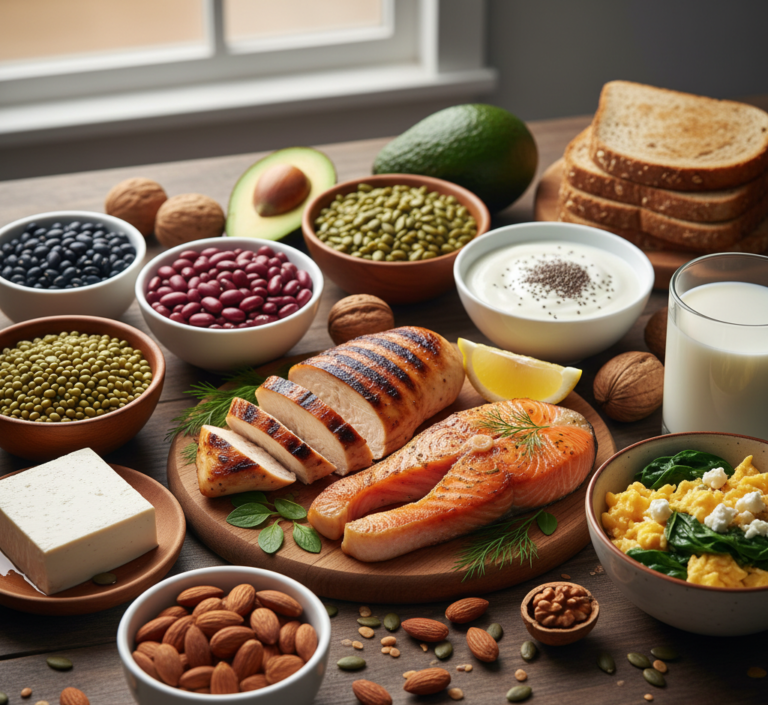
When to Avoid Them: Don’t use protein shakes as a shortcut to bypass eating real, fiber-rich foods. A shake lacks the micronutrients, phytochemicals, and fiber found in a piece of chicken, a bowl of lentils, or a handful of spinach. If your diet consists of 50% powders, you are missing out on the “food synergy” that whole ingredients provide.
The Hidden Psychology: Are You “Drinking” Your Problems?
From a psychological perspective, “liquid calories” often fail to register with our brain’s satiety signals in the same way solid food does. The act of chewing stimulates the release of hormones that tell your brain you are full. When you replace meals with liquids constantly, you may find yourself physically “full” but mentally “starving.”
This can lead to a “restriction-binge” cycle. You “behave” all day with shakes, only to find yourself raiding the pantry at 9:00 PM because your brain never felt like it actually ate. A true weight mindset requires listening to those hunger cues, not drowning them in chocolate-flavored chalk.
What to Look for on the Label
If you decide to incorporate these products, you must be a savvy detective. The supplement industry is loosely regulated, meaning the “health-first” responsibility falls on you.
- Protein Source: Look for grass-fed whey, egg white, or multi-source plant proteins (like pea and rice) to ensure a complete amino acid profile.
- Fiber Content: A true meal replacement should have at least 5g of fiber to slow digestion.
- The Sweetener Test: Avoid sucralose, aspartame, or excessive sugar alcohols if you have a sensitive stomach. Stevia or monk fruit are generally better “health-first” alternatives.
- Short Ingredient Lists: If it looks like a chemistry textbook, put it back.
The 80/20 Rule of Weight Mindset
Our philosophy is simple: Whole foods first, supplements second. Aim for 80% of your nutrition to come from the earth—plants, lean proteins, healthy fats, and complex carbs. Use that remaining 20% for the convenience of supplements.
Think of a protein shake like a spare tire. It’s vital to have when you’re in a pinch, and it can keep you moving toward your destination. But you wouldn’t want to drive on four spare tires forever. You want the sturdy, reliable performance of a full set of wheels—in this case, whole, nutrient-dense meals.
Empowering Your Choices
Supplements and meal replacements are not the enemy of a healthy weight; a lack of intentionality is. By choosing products that align with your health goals and using them as tactical support rather than a nutritional foundation, you reclaim control.
Stop looking for the “perfect” product and start building the perfect mindset. When you prioritize how you feel and how your body functions over the ease of a quick fix, the weight management part becomes a natural byproduct of a life well-nourished.