
Quinoa Benefits for Weight Loss: The Complete Guide
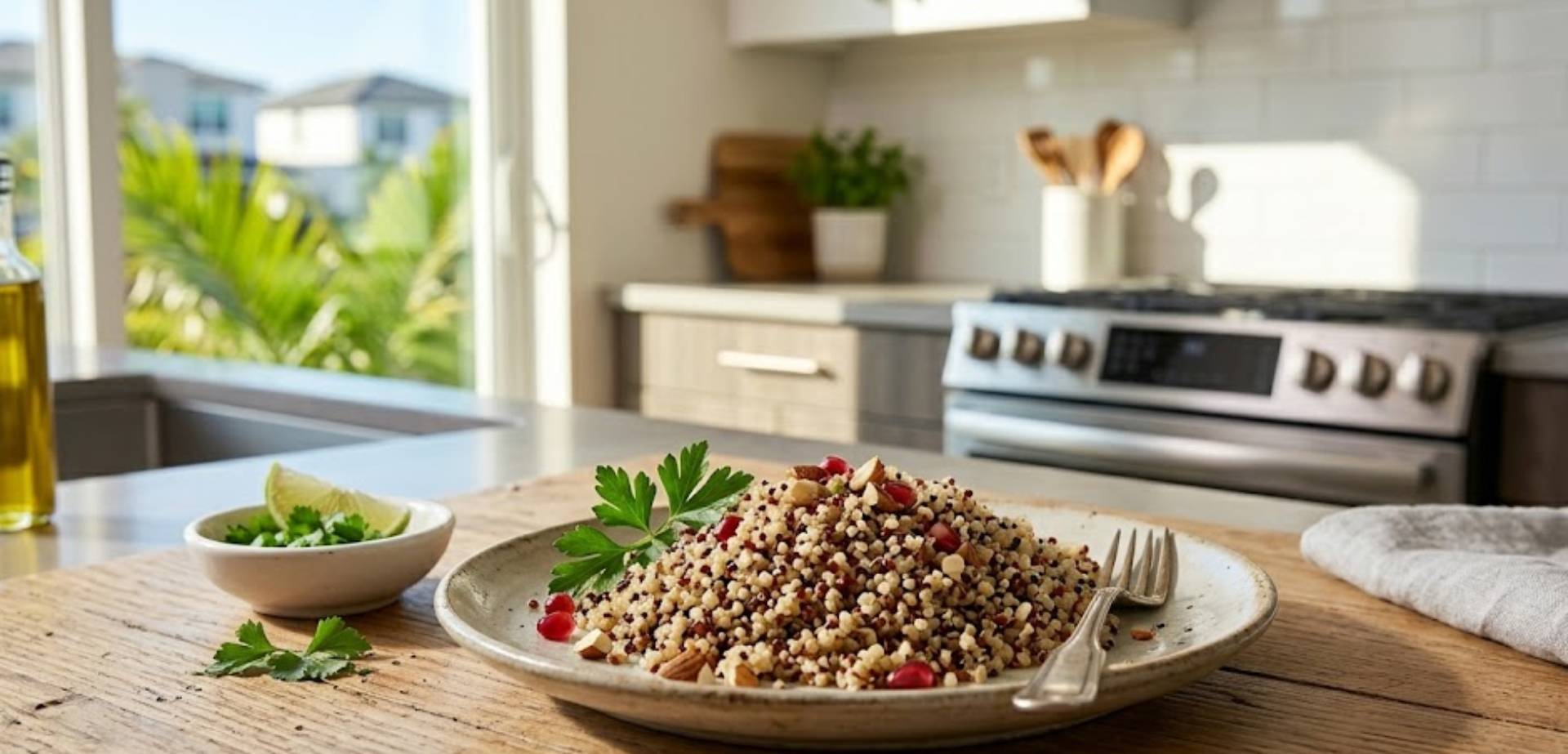
In the world of “biological engineering” for health, few tools are as versatile and high-performance as quinoa. Often mistaken for a grain, quinoa is actually a pseudocereal—the seed of a plant related to spinach and beets. For those building a Weight Mindset, quinoa isn’t just a side dish; it is a strategic input designed to optimize your metabolism and master your appetite. Understanding the quinoa benefits for weight loss can further enhance its role in your diet. By incorporating quinoa into your meals, you can unlock numerous quinoa benefits for weight loss that support your health goals.
If you are looking for a way to stay full longer while nourishing your body at a cellular level, understanding the “why” and “how” of quinoa is essential. Let’s break down the data on this ancient superfood.
The Nutrient Profile: A Complete Protein Source
From a nutritional standpoint, quinoa is a “complete” protein. This means it contains all nine essential amino acids that your body cannot produce on its own. For anyone focused on healthy weight management, this is a game-changer. Most plant-based proteins are “incomplete,” but quinoa provides the full biological building blocks needed for muscle repair and metabolic function.
One cup of cooked quinoa provides:
- Protein: 8 grams (High-quality, complete protein)
- Fiber: 5 grams (Essential for gut health and satiety)
- Manganese: 58% of the DV (Crucial for metabolism)
- Magnesium: 30% of the DV (Helps regulate blood sugar)
The Satiety Factor: Why Quinoa is a Healthy Choice
The secret to sustainable weight loss isn’t eating less; it’s eating better quality inputs that signal “fullness” to the brain. Quinoa excels here because of its high fiber-to-calorie ratio. Fiber slows down the emptying of your stomach, which keeps insulin levels stable and prevents the “crashing” hunger that leads to poor choices.
Furthermore, quinoa has a low Glycemic Index (GI) of 53. In our engineering terms, this means it has a “low-pressure” impact on your blood sugar, providing steady energy rather than a spike and drop.
The Colors of Quinoa: Choosing Your Tool
Not all quinoa is the same. Depending on your “Meal Designer” goals, you might choose a different type:
- White Quinoa: The most common. It has the mildest flavor and the fluffiest texture. It’s the perfect “entry-level” swap for white rice.
- Red Quinoa: This type holds its shape better after cooking. It has a heartier, nuttier taste and is excellent for cold salads.
- Black Quinoa: The crunchiest and most earthy. It contains the highest level of anthocyanins (antioxidants found in dark berries) which help fight inflammation.
- Tricolor: A blend of all three, offering a balance of textures and a beautiful visual presentation for your plate.
How to Eat: Mastering the Preparation
The most common mistake with quinoa is the taste. Raw quinoa is coated in saponins, a natural defense mechanism that tastes bitter.
- The Hack: Always rinse your quinoa in a fine-mesh strainer under cold water for 30 seconds before cooking.
- The Ratio: Use a 2:1 ratio (2 cups of liquid to 1 cup of dry quinoa). For maximum flavor, cook it in chicken or vegetable broth instead of plain water.
- The Versatility: Use it as a base for breakfast bowls with berries, a protein-booster in soups, or even as a gluten-free binder in healthy turkey meatballs.
By integrating quinoa into your lifestyle, you are choosing a nutrient-dense fuel that respects your biology. It is a simple, effective shift that turns every meal into a step toward a better Weight Mindset.




One Comment