How to Choose the Best Protein Powder for You
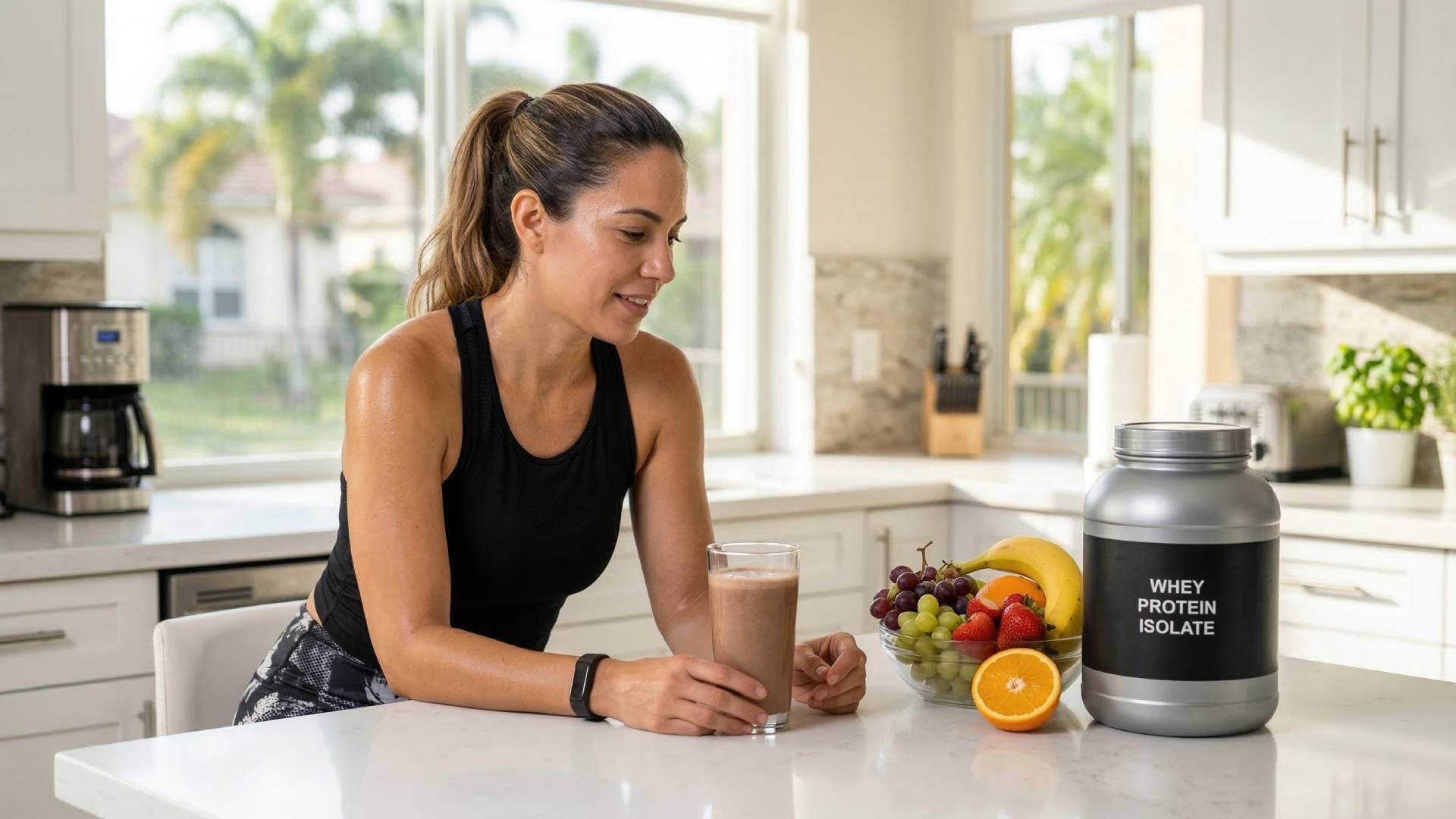
In the world of healthy weight management, protein powder has evolved from a gym-goer’s drink into an essential tool for appetite control and muscle preservation. Whether you are looking to simplify your breakfast or recover from a workout in the Florida heat, understanding how to choose the best protein powder is key to maintaining a strong weight mindset. Knowing how to choose the best protein powder can enhance your fitness journey.
Why Use Protein Powder?
The primary benefit of protein powder is its ability to trigger satiety hormones like GLP-1, which communicate to your brain that you are full. This helps prevent passive eating later in the day. Additionally, protein has a high “thermic effect,” meaning your body burns more calories just by digesting it compared to fats or carbohydrates.
Who Can Use It?
While often associated with athletes, protein powder is beneficial for almost everyone, especially those close to 60 years old. As we age, our bodies require more protein to protect lean muscle mass and support bone density. It is also a convenient option for busy professionals in industries like manufacturing who need a quick, nutrient-dense meal on the go.
Varieties and Benefits
| Protein Type | Best Use Case | Key Benefits |
| Whey Isolate | Post-workout or daily use. | Highly digestible, complete amino acid profile, and low in lactose. |
| Casein | Before bed or long gaps between meals. | Slow-digesting; provides a steady release of amino acids to curb nighttime hunger. |
| Pea or Soy | Plant-based or dairy-free diets. | Highly digestible and economical; soy may also support bone mass in older adults. |
| Egg White | Lean, fat-free alternative. | Rich in essential amino acids and excellent for those avoiding dairy or soy. |
Nutritional Content: What to Look For
Protein Density: Aim for a powder with at least 20 grams of protein and fewer than 150 calories per serving.
Minimal Ingredients: Look for short, clear lists. Avoid excessive fillers like xanthan gum, carrageenan, or long lists of “natural flavors”.
Watch the Sweeteners: Be cautious of “sugar-free” labels that use sucralose or aspartame, as these can disrupt your gut microbiota and hunger signals. Instead, look for natural sweeteners like monk fruit or stevia.
Third-Party Testing: Look for seals (like NSF or Informed Choice) to ensure the product is free from heavy metals like lead or arsenic.
The “Mindset” Check for Your Purchase
When you are at the store, look for these three seals on the back or side of the tub:
- NSF Certified for Sport: Guarantees the protein content is accurate and free of contaminants.
- Informed Choice: Another trusted third-party tester for purity.
- USDA Organic: Ensures no synthetic pesticides or fertilizers were used in the ingredients.




2 Comments